Video used to be the expensive part. A shoot meant a location, a crew, a talent booking, equipment, and a reshoot window if anything went wrong. That is exactly the cost our studio is built to remove. We produce campaign-ready product videos, UGC, spokesperson content, and explainers from a written brief, in days, and the discipline underneath is the same one we apply to AI product photography: the tool does not matter, the outcome and the QA do.
We run this as an AI-first production studio with an in-house stack. Higgsfield, Runway, and Kling for generation, HeyGen, Synthesia, and Hedra for avatars and lip-sync, and ElevenLabs for voice, all finished under a human edit, grade, and review. None of it ships raw.
AI video earns its place when it turns one brief into many usable, on-brand cuts, without weakening the trust the viewer places in what they are watching.How do product videos show the thing in motion?
Product video is the format most brands need most often and shoot least: the rotation, the texture, the pour, the unboxing, the feature callout, the packshot sized for every placement. This is where AI production earns its keep. From a written brief and your real product references, we generate motion, hero loops, and feature spins, then finish them under a human edit and grade so the product reads true.

The rule is the same one we hold on stills: packaging, color, and proportions have to match the real thing. We use AI for the motion and the volume, and hold product truth in QA. For an ecommerce catalog, this is dozens of product videos and PDP loops from one pipeline, on-brand, in days, instead of a studio booking per SKU.
Runway is one of the generation tools in this part of the pipeline, and its current model, Gen-4.5, is worth being precise about because the specs change what we can promise a client. Runway's own documentation puts Gen-4.5 at text-to-video and image-to-video only, in clips of 2 to 10 seconds, output at 720p and 24 or 25fps. That is a real capability jump over the older Gen-4 model in prompt adherence and motion quality, but it is still a short-clip tool: a hero loop or a feature spin fits inside that window, a full narrative product film does not, so we plan the cut length before we plan the shot list.
How do AI avatars fit into spokesperson content?
An AI avatar is a synthetic presenter that can deliver your script across languages and formats without booking a studio day. For a founder who cannot film every week, or a brand that needs one consistent face across dozens of localized cuts, this is the difference between publishing weekly and publishing never.

The discipline is strict. The avatar is a production tool, not a licence to skip judgment. Likeness usage, consent, claims, and the script all pass human review before anything is treated as campaign-ready. Used well, one approved presenter becomes a whole content calendar in five languages.
HeyGen's own avatar documentation is explicit that private avatars, the ones trained on a real person's face or voice, go through a consent flow before they can render: a group's status shows as pending_consent until that clears, and null means consent was not required for that asset. That is not a formality we route around; it is the same gate our own QA sits behind. HeyGen has also shipped a prompt-driven Cinematic Avatar mode that composes scene, motion, and framing from a written brief and one to three avatar looks without a script or a separate voice recording, in clips from 4 to 15 seconds at 720p or 1080p, billed as a flat fee per video rather than by duration. That widens what a spokesperson video can be, a short prompted scene instead of a script read to camera, but it does not change the consent requirement underneath it.
How do we produce UGC-style ads at volume?
UGC is the creator-style video that looks native to a social feed, not polished like a broadcast ad. It is often the best-performing format in paid social, and the hard part has always been volume: a different creator for every hook, angle, and offer.
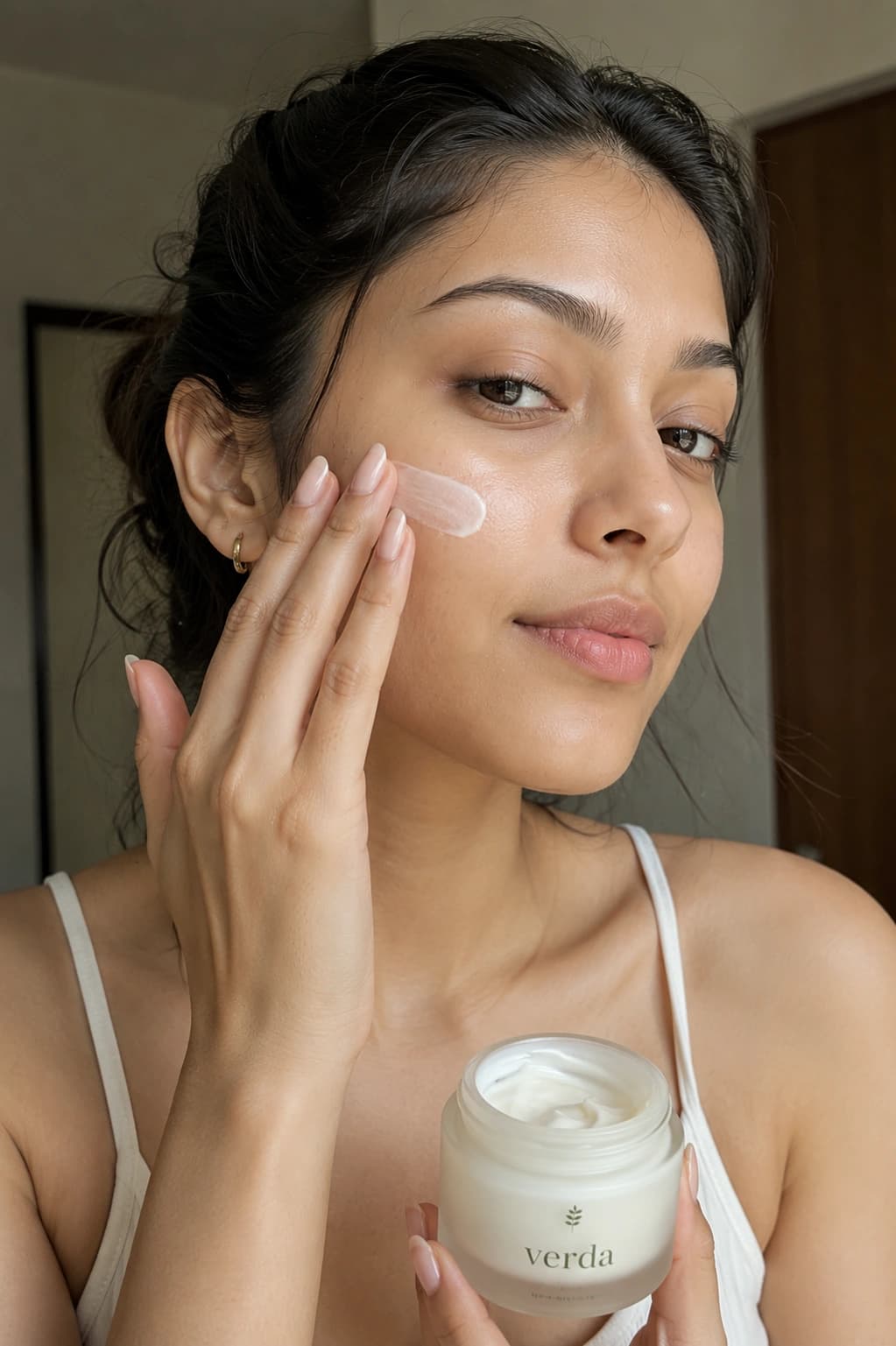
AI lets us produce that volume from one brief, dozens of hooks and product angles that still look authentic. But it is not a shortcut around taste. The hook, the offer, and the product truth still decide whether it works, and every variant is tagged so the media team learns which one actually moved the metric.
Where does AI video fit across your use cases?
The same pipeline flexes across industries. The format changes per use case; the discipline does not. A few places it lands well:
- Ecommerce and retail: product motion, PDP loops, offer cutdowns, and creator-style UGC at the volume paid social needs to test.
- Real estate: listing narration, neighborhood and lifestyle context, virtual staging of an empty unit, and an agent-style spokesperson across many properties, with real footage or controlled capture kept for the actual space so a buyer is never misled.
- Clinics and regulated brands: a consistent presenter, patient education, and treatment explainers translated across the languages a GCC audience serves, with every medical claim, outcome, or before-and-after kept human-approved inside regulated language.
- Services and B2B: explainers, founder-led thought leadership, and localized spokesperson content without a shoot per message.
The boundary is constant. Where trust, a regulated claim, or a physical truth is on the line, AI carries the story and the scale, never the misrepresentation.
The advantages, in plain terms
Here is why brands move video into this pipeline, the same payoff the studio is built around.
- Content costs, cut. Campaign-grade video without studio-sized production budgets, no location, crew, or day rate for every cut.
- Speed you can plan on. Brief to finished cuts in days, so a launch stops waiting on a shoot window.
- More shots on goal. Dozens of hooks, formats, and localized variants from one brief, which means faster testing and better ROAS.
- One brand, everywhere. Product videos, avatars, UGC, and social cutdowns from a single brand-locked pipeline, so everything looks like you.
- Founder-checked quality. A human edit, grade, and QA on every frame before it ships, never raw model output.
- Assets you actually own. Masters, project files, and full usage rights with every delivery.
None of that is speed for its own sake. Each advantage exists to put more tested, on-brand video in front of the right audience for less, which is the only reason to run video through an AI-first studio at all.
Short-form performance video
For paid social, AI-assisted motion turns a concept into a batch of hooks, spins, and feature callouts sized for each placement, when the storyboards and brand guardrails are fixed.

This is not a substitute for a flagship hero film when brand prestige rides on a single asset. It is a testing engine: many variants, each tagged, so the winners are found on evidence.
Higgsfield is the tool we lean on most for this kind of controlled, repeatable motion, and its Cinema Studio product is a good example of why "AI video" is not one capability. Higgsfield's own help documentation splits the workflow into versions with different jobs: 2.0 for precise camera rig control (sensor profile, lens, focal length, aperture, up to three stacked camera movements per shot), 2.5 for AI actors with built-in color grading, and 3.0 for physics-aware motion with native audio generated in the same pass. That last point matters for a paid-social batch: 3.0 renders sound effects, speech, and background music alongside the picture, so a hook variant does not need a separate audio pass before it is testable. It is also a closed system by design, 3.0 does not accept external uploads and screens for real faces and protected material inside the tool, which is a constraint we plan around rather than one we can prompt past.
What standards does every video have to clear?
This is the same operating standard we hold across the whole studio, and it is what keeps AI video useful instead of just fast.
- Brand first: every cut starts from your brand system, voice, look, and layout rules, so it ships on-brand, not just on time.
- Performance-tied: video plugs into the same measurement loop as the campaigns it feeds, so what runs is what converts.
- Production QA: human review on every AI-assisted deliverable for continuity, licensing, likeness, claims, and platform specs.
- Real when needed: AI-first does not mean AI-only. We shoot real footage when the brief calls for it.
Where does a real shoot still win?
AI extends a strong production system; it does not set the standard the system is held to. A real shoot is still the right call when the audience must trust a specific, named person on camera, when a regulated claim needs documented proof, when the physical space or product truth cannot be faked, or when a flagship film carries the brand. The honest answer is often a hybrid: real capture for the truth, AI production for the volume and the localization around it. The decision is made before production, not after the budget is spent.
How do we measure it?
Video that looks good but moves nothing is not a win. We tie every cut to the numbers media and finance already use: hook rate in the first seconds, view-through, click-through, cost per qualified action, and blended CAC by cohort. Every variant carries a batch ID, so weak cuts get killed on evidence instead of debated on taste.
This connects our creative studio with our performance marketing and development services: the video has to satisfy the brand system and stay traceable to a commercial test. And like every studio deliverable, you receive the masters, project files, and usage rights, studio-grade output without studio-sized overhead.
When we scope a brand's video, the first question is which parts need a real camera, which can be an avatar, and which can be generated, decided per use case, compliance risk, and channel. Bring us your products, your offers, or your content gap at our contact form and you get a production plan, not a tool parade.