

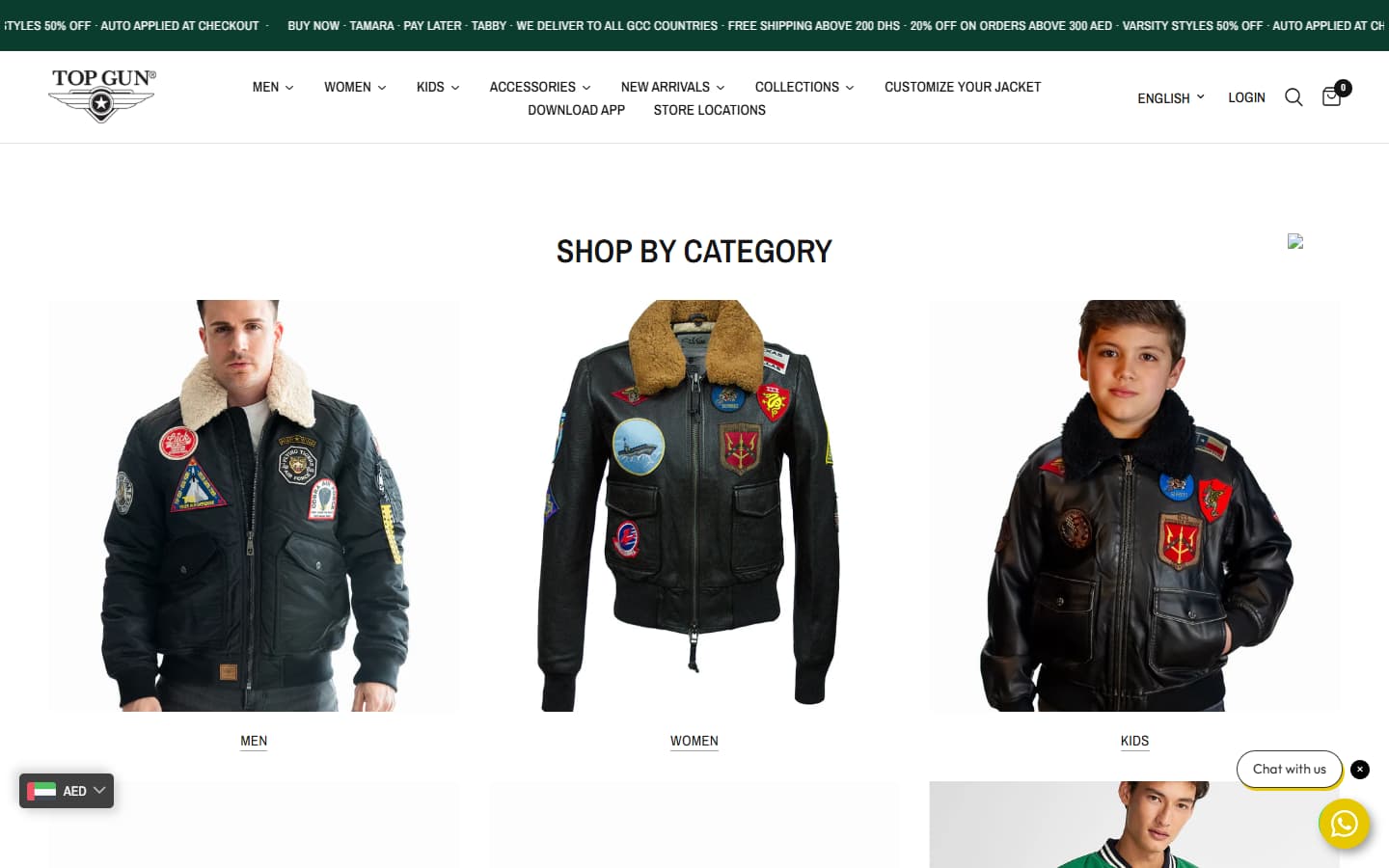
TopGun Arabia's case is useful because the intervention crossed the boundary that often weakens ecommerce work: advertising was not treated as separate from the Shopify store or the search foundation.
Frank, the owner of TopGun Arabia, describes the work directly: True North removed Shopify bloat, ran an SEO audit that exposed gaps the team had not seen, and rebuilt the campaigns into a system that could scale. His approved testimonial reports reaching 20X ROAS.
That is strong client evidence. We present it as the owner reported it, and keep the underlying attribution, spend, and reporting-window detail with the client.
The connected problem
Paid growth can stall even when the media team is active. A bloated Shopify implementation can slow the buying path or duplicate scripts. Weak technical SEO can make product and collection architecture hard to discover. Campaigns can then optimize against events that the store does not record cleanly.
The testimonial supports addressing those areas together rather than sending each problem to a different vendor queue. The confirmed technical scope also included metadata fixes, JSON-LD, llms.txt, and server-rendered content so search and answer engines could read important page content without client-side execution.
The AEO and GEO layer
We treated AI discovery as an extension of the site's information architecture. Metadata described each page, JSON-LD expressed key entities, llms.txt provided a focused machine-readable guide, and server-rendered content kept the visible answer in the initial response. These foundations improve clarity and eligibility; they do not guarantee citation or ranking.
What the evidence currently supports
Why the sequence matters
I would not present this as three unrelated deliverables. Store cleanup protects the traffic being purchased. Technical SEO clarifies the site's structure and discoverability. Campaign restructuring then operates on a cleaner commercial and measurement foundation.
The final case study should explain the exact sequence only after the delivery record confirms it. A neat chronology invented after the result would make the story easier to read and less trustworthy.
What another retailer can reuse
- Audit the buying path and event integrity before scaling spend.
- Make SEO findings operational rather than leaving them in a slide deck.
- Tie campaign decisions to product, inventory, and store behaviour.
- Keep platform ROAS beside margin and fulfilled revenue.
- Treat social reach and retail expansion as separate outcomes unless evidence connects them.